Ion Channels and Human Diseases Group
Our research focuses on understanding the pathology of ion channel disorders, in particular epilepsy, using in vitro and in vivo models to reveal opportunities for developing novel therapies. Imbalances in neuronal excitation and inhibition, caused by dysfunction of ion channels and related proteins, underpin the aetiology of many central nervous system disorders.
Our team draws from multidisciplinary expertise and cutting-edge techniques to study the molecular, cellular and physiological basis of disease, and to drive preclinical discovery of precision-medicine based therapeutics to treat disease.
Research interests
|
Techniques
|
About our research
Our multidisciplinary team comprises highly skilled researchers with backgrounds in biomedical science, physical sciences, engineering, computational biology and medicine.
Our team uses investigative techniques that encompass ion-channel biophysics, advanced optical imaging, genetic and transcriptomic analysis, computational biology and bioinformatics, stem cells and gene editing, mouse transgenesis and disease modelling and in vitro and in vivo electrophysiology.
We also have strong links to the biopharmaceutical industry and host in-house developed preclinical drug discovery workflows and pipelines for the development of novel therapeutics.
Research projects
- Functional characterisation of epilepsy-causing mutations
- In-vivo optical characterization of epileptic microcircuits
- MRI tractography in mouse models of genetic epilepsy: Creation of prognostic and diagnostic structural biomarkers
- Multiphoton imaging of patient-derived induced pluripotent stem cell-derived brainoids
- Optogenetic modulation of the area tempestas – an epilepsy hot spot
Research team
Research team head
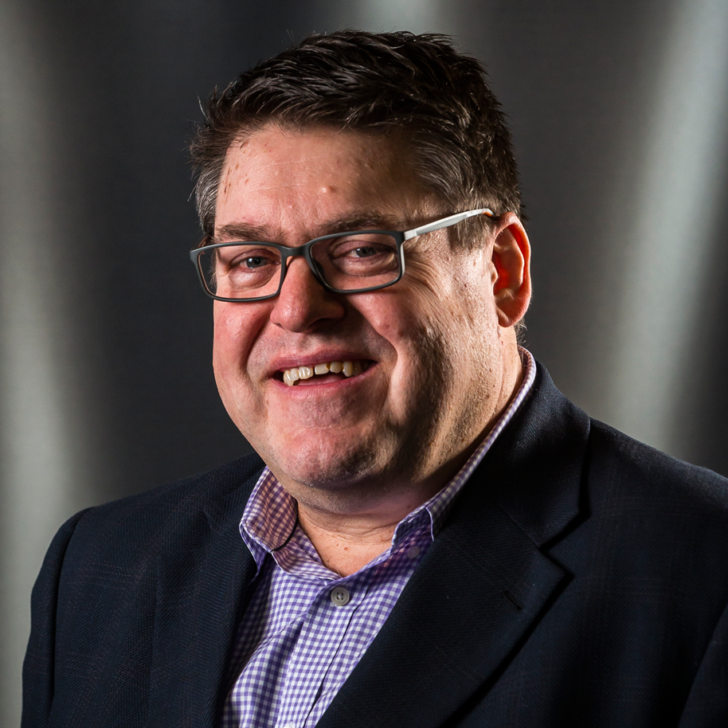
Group Head
Research fellows
- Dr Géza Berecki
- Dr Justin Bourke
- Dr Alexander Bryson
- Dr Alison Clarke
- Dr Werner Furuya
- Dr Timothy Karle
- Dr Melody Li
- Dr Dmitry Ovchinnikov
- Dr Kay Richards
- Dr Marsha Tan
- Dr Phan Truong
- Dr Kun Zhou
PhD students
- Todd Blackburn Jr
Research and technical staff
- Ms Daria Kornienko
- Ms Sharon Jong
- Ms Lynley Cordeiro
- Dr Brett Bennetts
Selected publications
- Berecki G, Bryson A, Polster T and Petrou S (2023), ‘Biophysical characterization and modelling of SCN1A gain-of-function predicts interneuron hyperexcitability and a predisposition to network instability through homeostatic plasticity’, Neurobiology of Disease, 179:106059, doi:10.1016/j.nbd.2023.106059
- Bryson A, Reid C, and Petrou S (2023), ‘Fundamental Neurochemistry Review: GABA A receptor neurotransmission and epilepsy: Principles, disease mechanisms and pharmacotherapy’, Journal of Neurochemistry, doi:10.1111/jnc.15769
- Hatch R J, Berecki G, Jancovski N, Li M, Rollo B, Jafar-Nejad P, Rigo F, Kaila K, Reid C and Petrou S (2023), ‘Carbogen-induced respiratory acidosis blocks experimental seizures by a direct and specific inhibition of NaV1.2 channels in the axon initial segment of pyramidal neurons, The Journal of neuroscience, 43(10):1658–1667, doi:10.1523/jneurosci.1387-22.2022
Contact us
For more information about our group’s research you can contact us by submitting this form.